
Comprehensive Guide to Human Composting in Minnesota
Comprehensive Guide to Human Composting in Minnesota: Understanding Natural Organic Reduction and Sustainable Death Care
Human composting, also known as natural organic reduction, is an innovative and eco-friendly alternative in end-of-life care that aligns with growing sustainability values. Individuals increasingly seek meaningful ways to handle their remains post-mortem, focusing on practices that support environmental health.
This comprehensive guide explores human composting's mechanisms, benefits, and the legal framework governing its practice in Minnesota. Readers will discover how this process works, the key environmental advantages it offers over traditional methods, and the considerations for families in selecting a service for human composting.
The article also addresses common misconceptions surrounding human composting, ensuring a well-rounded understanding of this sustainable death care option.
What Is the Natural Organic Reduction Process for Human Composting?
Natural organic reduction (NOR) is a process that transforms human remains into nutrient-rich compost through a controlled decomposition method. This process typically occurs in a vessel designed to optimize conditions for microbial activity, promoting effective decomposition.
The result is a compost-like material that can be ethically returned to the earth, contributing to soil health and fostering new life. NOR not only offers an alternative to traditional burial and cremation but also aligns with sustainability by significantly reducing the carbon footprint associated with death care.
How Does the Body Composting Process Work in Human Composting?
The body composting process, a cornerstone of the NOR approach, involves several critical stages. Initially, the body is placed in a specially designed vessel with organic materials, such as wood chips and alfalfa, to promote aeration and microbial growth. Over time, microorganisms break down the body, facilitating decomposition in a manner akin to traditional composting practices. This method can take approximately 4-6 weeks before the remains are entirely processed into compost, ensuring a gentle transition back to the earth.
What Are the Key Environmental Benefits of Human Composting?
Human composting offers significant environmental benefits, primarily by reducing landfill waste and minimizing the environmental impact of traditional funeral practices. Through this process, approximately 1,000 kg of greenhouse gases can be avoided compared to burial or cremation.
Additionally, the resulting compost can enhance soil fertility, supporting plant growth and promoting ecological stewardship. By choosing human composting, individuals contribute positively to environmental sustainability while honoring the deceased.
What Are the Human Composting Laws and Legal Framework in Minnesota?
In Minnesota, human composting is regulated under specific laws designed to ensure the practice's safety, ethics, and environmental compliance. Various state agencies oversee these regulations, impacting how human composting facilities operate within the state.
Is Human Composting Legal in Minnesota and What Regulations Apply?
Yes, human composting is legal in Minnesota, having been formally legalized under the Natural Organic Reduction Act on August 1, 2022. This law outlines the operational requirements for facilities engaged in human composting, ensuring compliance with health and safety standards. Regulations mandate that composting remains must be processed in a secure manner, providing accountability and assurance to families considering this option.
How Do Minnesota State Agencies Oversee Human Composting Facilities?
Minnesota state agencies, including the Board of Mortuary Science, play a crucial role in monitoring human composting facilities. These agencies are responsible for setting guidelines, conducting inspections, and ensuring that the practices adhere to state regulations. Their oversight is vital in maintaining public trust and ensuring the safety of the NOR process for all involved.
How Is Human Composting Different from Traditional Burial and Cremation Methods?
Human composting differs fundamentally from traditional burial and cremation methods in its approach to handling human remains and its environmental impact.
What Are the Environmental and Economic Comparisons Among Burial, Cremation, and Composting?
When comparing burial, cremation, and composting, several factors emerge that highlight their respective environmental impacts. For instance, traditional burial often involves land use, casket and vault materials, and embalming chemicals that can contribute to soil and groundwater contamination.
In contrast, human composting minimizes land use by transforming remains into compost, which can enrich the soil. Economically, while standard burial can be expensive, human composting often represents a cost-effective option, providing financial relief for families during a challenging time.
What Are the Social and Community Benefits of Choosing Human Composting?
Choosing human composting fosters community benefits by promoting discussions around sustainability and death care practices. Communities that embrace this method often see increased awareness of environmental issues, encouraging collective action toward greener practices. Additionally, compost produced from human remains can support local gardens and green spaces, strengthening community bonds through shared responsibility for the earth.
How Can Families Choose the Right Human Composting Service in Minnesota?
Selecting a human composting service involves careful consideration to ensure alignment with family values and needs.
What Factors Should Be Considered When Selecting a Minnesota Human Composting Provider?
When choosing a human composting provider, families should consider factors such as the facility's reputation, available services, and compliance with Minnesota regulations. Researching the provider's commitment to ethical practices and environmental stewardship can enhance confidence in the decision-making process as well as certification from The Green Burial Council. Additionally, transparent communication about the process and costs will ensure families are well-informed and comfortable with their choice.
How Does the Cost of Human Composting in Minnesota Compare to Other Options?
The cost of human composting in Minnesota varies based on the provider and services selected but generally ranges from $5,000 to $8,000. Compared to traditional burial and cremation, which can exceed $10,000, human composting often presents a more economically viable option. This shift not only supports individual preferences but also encourages a broader acceptance of sustainable death care practices.
What Are Common Questions and Myths About Human Composting in Minnesota?
Human composting is still a relatively new concept, leading to common questions and misconceptions.
How Long Does the Human Composting Process Take from Start to Finish?
The human composting process takes approximately 8-12 weeks from the time the body is placed in the composting vessel to when it is fully processed into compost. Families can expect to receive the composted material afterward, allowing them to incorporate it into meaningful practices, like enriching gardens or memorials.
Are There Any Religious or Cultural Concerns Associated with Human Composting?
While human composting is gaining acceptance, some religious and cultural communities may hold reservations due to varying beliefs about death and human remains. Open dialogue about the values underpinning human composting and its environmental benefits can facilitate understanding and acceptance within diverse community contexts.
What Resources and Visual Aids Help Understand Human Composting in Minnesota?
The landscape of human composting is continually evolving, and accessing reliable resources can enhance public understanding.
Where Can You Find Infographics and Diagrams Explaining Body Composting Steps?
Many organizations and educational platforms provide visual aids such as infographics and diagrams that illustrate the body composting process. These resources can help demystify the procedure, making it more accessible to the public. Websites focusing on sustainability and environmental education often curate these tools to foster a better understanding of human composting.
Are There Videos or Facility Tours Available for Minnesota Human Composting Services?
Potentially interested individuals can find various online videos and virtual facility tours showcasing how human composting works. These resources serve as valuable tools for demystifying the process and alleviating concerns, providing insights into the practices and values upheld by Minnesota's human composting providers.
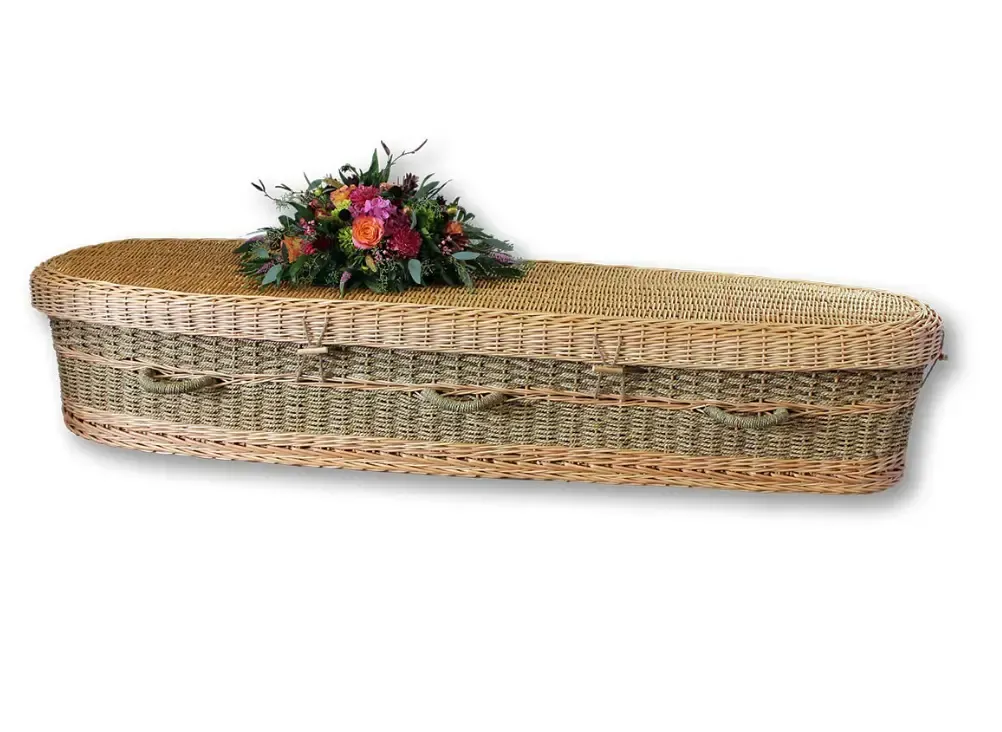
Complete Guide to Biodegradable Funeral Products: Trusted Eco-Friendly Options and Practical Choices