
Complete Guide to Pre-Planning an Eco-Friendly Funeral: Practical Steps for Environmentally Conscious Families
Complete Guide to Pre-Planning an Eco-Friendly Funeral: Practical Steps for Environmentally Conscious Families
As society increasingly recognizes the significance of environmental sustainability, the interest in eco-friendly funerals continues to grow.
This comprehensive guide will explore the essential steps for pre-planning an eco-conscious farewell, shedding light on options like green burials and aquamation. Readers will discover practical tips, financial considerations, and legal aspects that contribute to a sustainable legacy. In a world where traditional funeral practices can have a considerable environmental impact, this article aims to equip families with informative strategies to make responsible choices.
We will cover the benefits of eco-friendly funeral planning, delve into innovative methods such as aquamation, and provide a step-by-step checklist for effective pre-planning.
Why Choose Eco-Friendly Funeral Planning for a Sustainable Legacy?
Eco-friendly funeral planning supports the creation of a sustainable legacy by minimizing environmental harm. The traditional funeral industry substantially impacts natural resources and contributes to carbon emissions through non-biodegradable materials and land use.
By opting for eco-friendly practices, families can significantly reduce their environmental footprint while honoring their loved ones meaningfully. Emphasizing sustainable methods helps to conserve natural resources, such as land and water, ultimately promoting ecological balance.
What Are the Environmental Benefits of Green Burial Options?
Green burial options provide several environmental benefits that contribute to sustainable practices. These benefits include:
- Reduction of Carbon Footprint: Green burials eliminate the need for non-biodegradable materials, drastically reducing carbon emissions associated with traditional funerals.
- Conservation of Natural Resources: Eco-friendly options rely on biodegradable materials such as bamboo or recycled wood rather than metal caskets, helping preserve forest ecosystems.
- Support for Local Ecosystems: Natural burial grounds promote local biodiversity, allowing for natural decomposition processes that enrich the soil and support wildlife habitats.
Adopting these sustainable practices reinforces the importance of making compassionate choices that protect our planet.
How Does Pre-Planning Reduce Emotional and Environmental Impact?
Pre-planning an eco-friendly funeral benefits families emotionally and environmentally. By addressing funeral preferences in advance, individuals can alleviate stress for grieving relatives during a challenging time. This proactive approach enables families to make well-informed decisions that honor their loved ones' wishes, ultimately reducing the emotional burden.
Additionally, pre-planning facilitates environmentally responsible decisions.
Families can carefully consider eco-friendly options, which may not be accessible during the immediate grief of loss. This foresight often results in better choices that align with sustainable practices, leading to an overall positive impact on both families and the environment.What Is Aquamation and How Does It Offer a Greener Alternative to Traditional Burial?
Aquamation, also known as alkaline hydrolysis, is an innovative method of body disposition that uses water and potassium hydroxide to reduce a body to its basic elements in a highly efficient and eco-friendly process. Unlike traditional cremation, which releases harmful emissions into the atmosphere, aquamation is a sustainable alternative that minimizes environmental impact. This process significantly conserves energy and reduces the carbon footprint associated with typical cremation methods.
How Does the Aquamation Process Work?
The aquamation process involves placing the body into a specialized chamber filled with a water and alkaline solution. The combination of temperature, pressure, and flow works to accelerate the natural decomposition process, breaking down the body into its fundamental components—primarily amino acids, sugars, and salts. The end result is a sterile liquid and skeletal remains, which can be returned to the family. This environmentally conscious alternative aligns with the pursuit of sustainability in memorialization practices.
What Are the Legal and Regional Considerations for Choosing Aquamation?
When considering aquamation, it is essential to understand the legal and regional regulations governing this practice. The acceptance of aquamation varies widely by location, with some regions recognizing it as a lawful burial alternative while others may have restrictions. Interested families should research local regulations and consult professionals who specialize in sustainable funeral practices. Engaging with local funeral homes that accommodate aquamation ensures compliance with regional laws and guidelines.
How to Pre-Plan a Green Burial: Options, Materials, and Legal Guidelines
Pre-planning a green burial involves exploring various sustainable options, biodegradable materials, and adhering to legal guidelines. Making informed choices ensures that families honor their loved ones while supporting environmental sustainability.
What Biodegradable Materials Are Used for Eco-Friendly Caskets and Urns?
Eco-friendly caskets and urns use biodegradable materials to facilitate a natural decomposition process. Common materials include:
- Bamboo Caskets: Lightweight and rapidly renewable, bamboo provides a sustainable option that blends beautifully with nature.
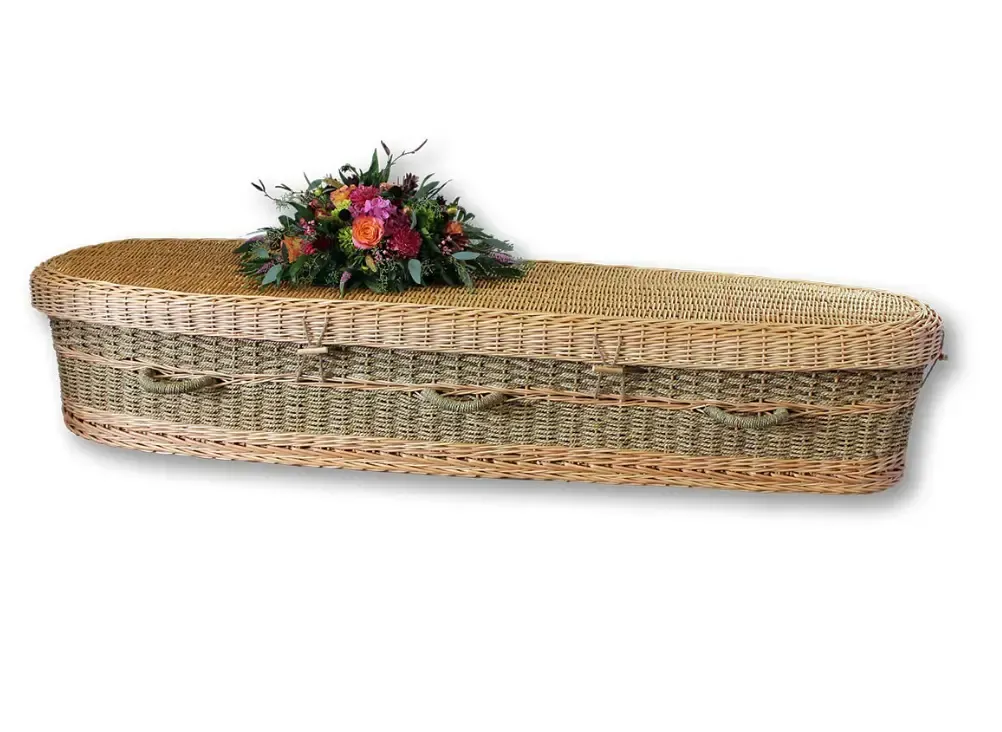
- Woven Willow Caskets: Crafted from willow branches, these caskets are handcrafted and decompose naturally, offering an aesthetic appeal.
- Recycled Paper Urns: Made from repurposed materials, recycled paper urns provide environmentally friendly options for ashes that dissolve in water.
These choices reflect a family's commitment to sustainable practices, allowing their loved one to return to nature more harmoniously.
Which Natural Burial Grounds and Sustainable Cemeteries Support Green Funerals?
When selecting a burial site, families should look for natural burial grounds and sustainable cemeteries that support eco-friendly practices. Key characteristics to consider include:
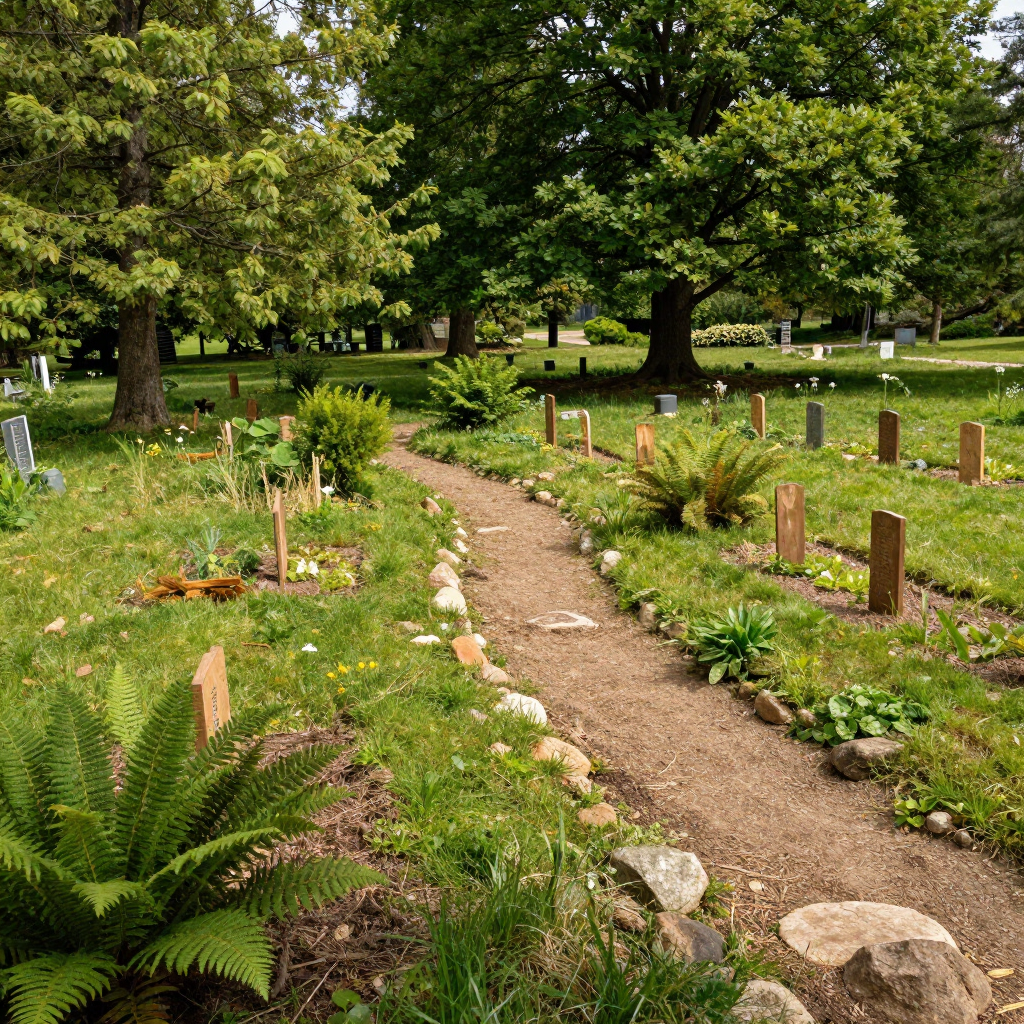
- Natural Landscaping: Cemeteries that preserve native vegetation and wildlife habitats showcase a commitment to environmental sustainability.
- Biodegradable Burial Practices: Facilities encouraging biodegradable caskets or “green” burials promote minimal environmental impact.
- Local Regulations Compliance: Ensure the cemetery complies with local laws regarding natural burials, which varies by location.
Choosing a facility that aligns with these principles solidifies a family’s commitment to eco-friendly values.
What Costs and Budgeting Should Families Consider for Eco-Friendly Funeral Services?
Budgeting for eco-friendly funeral services involves understanding the various costs associated with green burials compared to traditional funeral practices. While the specific expenses can vary widely, this section will break down cost considerations to inform mindful decision-making.
How Do Eco-Friendly Funeral Costs Compare to Traditional Options?
Eco-friendly funeral costs may differ from traditional options in various ways. Generally, families can anticipate:
- Lower Overall Expenses: Green burials often incur lower costs due to the absence of expensive caskets and embalming fees.
- Potential For Higher Initial Costs: Some eco-friendly options, such as aquamation, may have higher upfront costs, though long-term financial savings may arise from choosing simpler, biodegradable materials.
- Flexibility in Planning: The ability to customize green funerals allows families to prioritize their budget, enhancing affordability.
It is crucial to research pricing thoroughly and engage with local funeral service providers regarding potential options.
What Financial Planning Steps Facilitate Sustainable Funeral Pre-Planning?
Engaging in financial planning for eco-friendly funeral pre-planning can help streamline the process and ensure funds are allocated effectively. Families should consider:
- Discussing Preferences Early On: Conversations with family members can help establish financial commitment and preferences for the funeral.
- Setting a Budget: An anticipated budget can guide decisions about burial options, materials, and locations.
- Exploring Financial Assistance Options: Investigate available grants or programs supporting green burials, which may offset expenses.
These steps enhance financial preparedness while prioritizing sustainable practices.
What Is the Step-by-Step Pre-Planning Checklist for an Eco-Friendly Funeral?
A thorough checklist can facilitate the pre-planning process for an eco-friendly funeral. Through methodical planning, families can ensure every essential aspect is considered, leading to a more meaningful farewell.
Which Key Decisions Should Be Made During Eco-Friendly Funeral Planning?
Several important decisions merit consideration during eco-friendly funeral planning, including:
- Choice of Burial Method: Selecting between green burial and aquamation significantly influences environmental impact.
- Casket or Urn Selection: Opting for biodegradable materials reinforces the commitment to sustainability.
- Location Considerations: Choosing a natural burial ground or a sustainable cemetery that supports your values.
Each decision carries weighty implications, and families should consider their preferences thoughtfully.
How Can Families Ensure Compliance with Regional Funeral Regulations?
To ensure compliance with regional funeral regulations, families should:
- Consult Local Guidelines: Reach out to local authorities and review regulations related to eco-friendly funerals in their area.
- Engage with Professionals: Speak with funeral directors experienced in sustainable practices to address regulatory concerns.
- Document Preferences: Maintain comprehensive records of chosen practices to facilitate clarity and adherence to regulations during implementation.
Understanding and following these considerations ensures the planned funeral aligns with legal requirements and personal values.
Where Can Families Find Additional Support and Resources for Environmentally Friendly Funerals?
As families navigate through the grieving and planning processes, they may benefit from additional support and resources dedicated to eco-friendly funerals. Various organizations and experts specialize in green funeral practices.
Which Organizations and Trusted Experts Specialize in Green Funeral Practices?
Families can explore numerous organizations focused on eco-friendly funeral practices, including:
- The Green Burial Council: This organization promotes sustainable burial practices and provides resources for families considering green funerals.
- Local Eco-Friendly Funeral Homes: Many funeral homes specialize in sustainable practices; consulting with one can yield tailored solutions for individual needs.
- Online Resources and Communities: Websites and forums dedicated to eco-conscious living often discuss green funerals, providing families insights and connections to like-minded individuals.
Accessing these resources enables families to enhance their understanding of sustainable funeral options and seek support as needed.
How Can Visual Guides Help Understand Eco-Friendly Funeral Options?
Visual guides can significantly aid families in comprehending eco-friendly funeral options. These can include:
- Infographics: Simple visuals illustrate the processes of green burials or aquamation.
- Comparison Charts: Side-by-side comparisons of different burial options help families weigh their preferences.
- Guided Checklists: Visual checklists outline important steps, making the planning process more digestible and uncomplicated.
-
Implementing these visual tools enhances comprehension and simplifies discussions about pre-planning among families.
Complete Guide to Biodegradable Funeral Products: Trusted Eco-Friendly Options and Practical Choices