
CompassionateGuide to Planning Green Funerals
Compassionate Guide to Funeral Planning: Exploring Green Burial Services and Eco-Friendly Funeral Options for Meaningful Choices
Planning a funeral can be an emotionally challenging experience, especially when trying to honor a loved one's memory while considering environmental impacts. This guide aims to provide a comprehensive overview of eco-friendly funeral options, including green burial services, human composting, and water cremation (alkaline hydrolysis). Readers will learn about the benefits of these sustainable practices, the steps involved in planning, and how to make meaningful choices that reflect their values. As more individuals seek to minimize their ecological footprint, understanding these options becomes increasingly important. This article will explore various aspects of green burial services, the human composting process, water cremation, and eco-friendly funeral products, providing a roadmap for those looking to plan a sustainable farewell.
Comprehensive Guide to Funeral Planning: Green Burial Services and Eco-Friendly Options
Eco-friendly funeral planning encompasses a range of practices designed to reduce environmental impact while honoring the deceased. Green burial services, for instance, focus on natural burial methods that avoid traditional embalming and non-biodegradable materials. These services often utilize biodegradable caskets or shrouds, allowing the body to decompose naturally and return to the earth. The importance of making meaningful choices in funeral planning cannot be overstated, as these decisions reflect the values and beliefs of both the deceased and their loved ones.
Understanding Green Burials
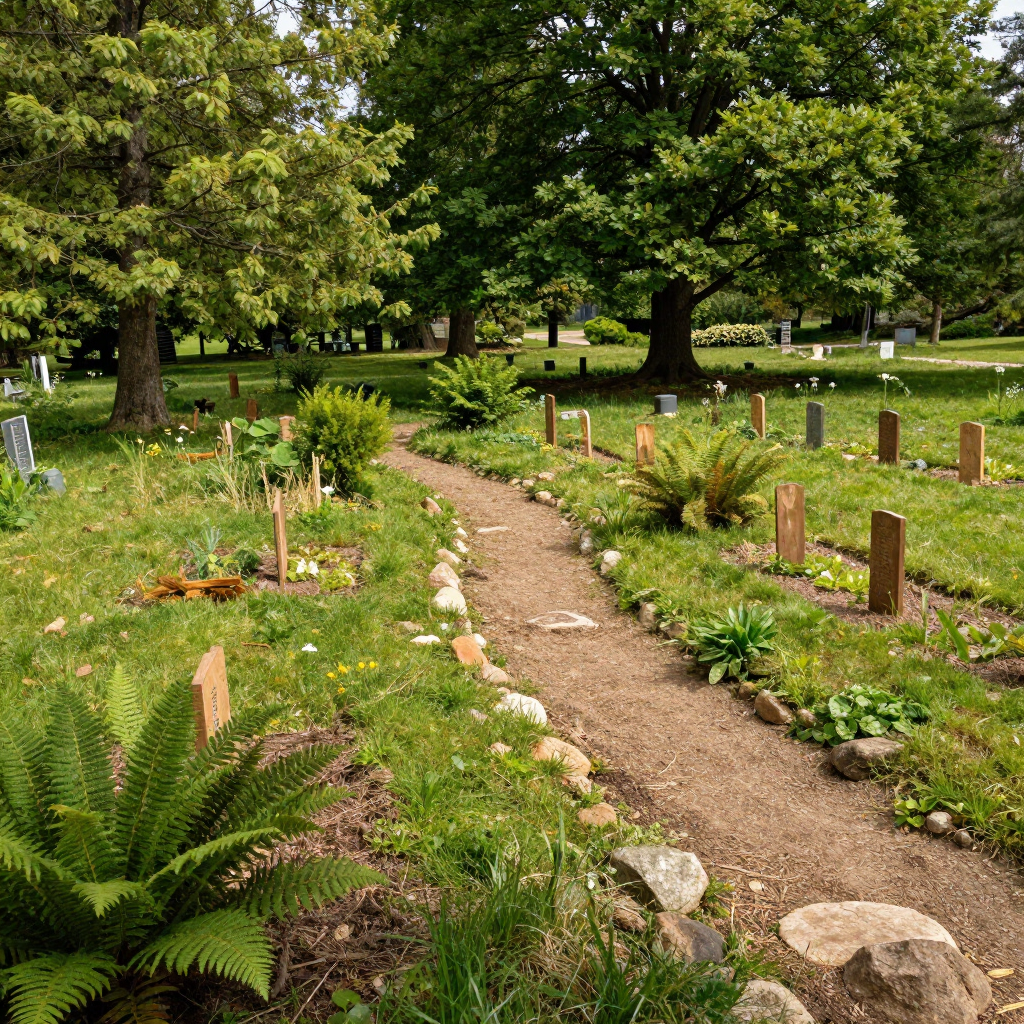
Green burials are a sustainable alternative to conventional burial practices, emphasizing environmental stewardship and simplicity. By opting for a green burial, families can ensure that their loved ones are laid to rest in a manner that supports local ecosystems and minimizes carbon footprints. This approach often involves using natural burial grounds, which are specifically designated for eco-friendly interments. The benefits of green burials extend beyond environmental considerations; they also provide a more personal and meaningful way to honor the deceased.
Further research highlights how natural burial practices can serve as a vital tool for land conservation and ecological preservation.
Natural Burial as Land Conservation
We address the research question ‘How is natural burial being used as a tool for land
Natural burial as a land conservation tool in the US, C Coutts, 2018
Types of Green Funeral Planning
There are several types of green funeral planning options available, each catering to different preferences and beliefs. These include:
- Natural Burials: Involves burying the body in a biodegradable casket or shroud without embalming fluids.
- Home Funerals: Families can care for the body at home, allowing for a more intimate farewell.
- Memorial Services: These can be held in natural settings, such as parks or gardens, to celebrate life in a serene environment.
Each option allows families to create a unique and personalized farewell that aligns with their values.
Steps to Plan a Green Funeral
Planning a green funeral involves several key steps:
- Research Options: Explore local green burial services and natural burial grounds.
- Discuss Wishes: Have open conversations with family members about preferences and values.
- Select a Provider: Choose a funeral home or service that specializes in eco-friendly practices.
- Plan the Ceremony: Decide on the type of memorial service that reflects the deceased's life and values.
By following these steps, families can ensure that their loved one's final wishes are honored in a meaningful way.
Eco-Friendly Burial Options
Eco-friendly burial options include a variety of practices that prioritize sustainability. These options often feature biodegradable materials, such as:
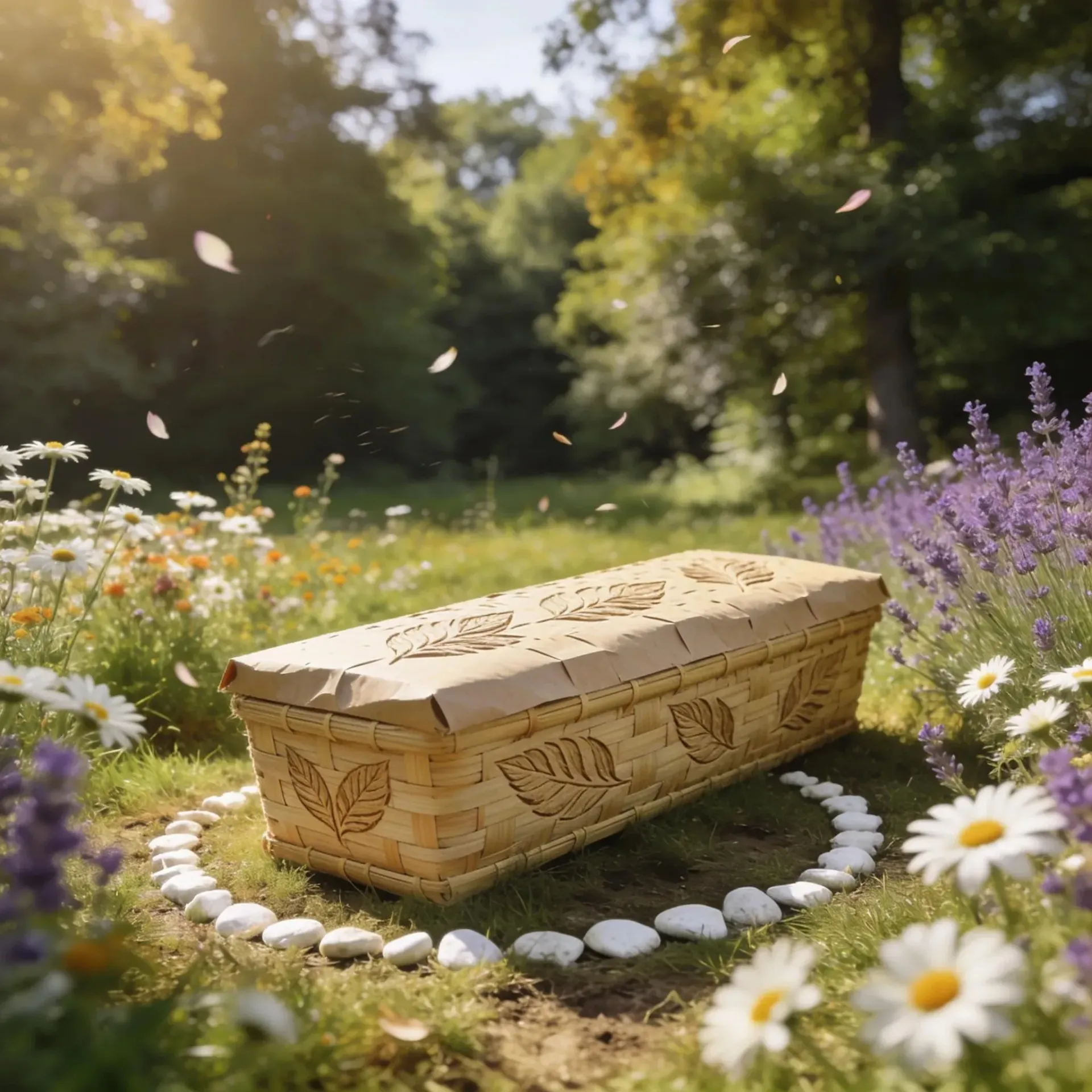
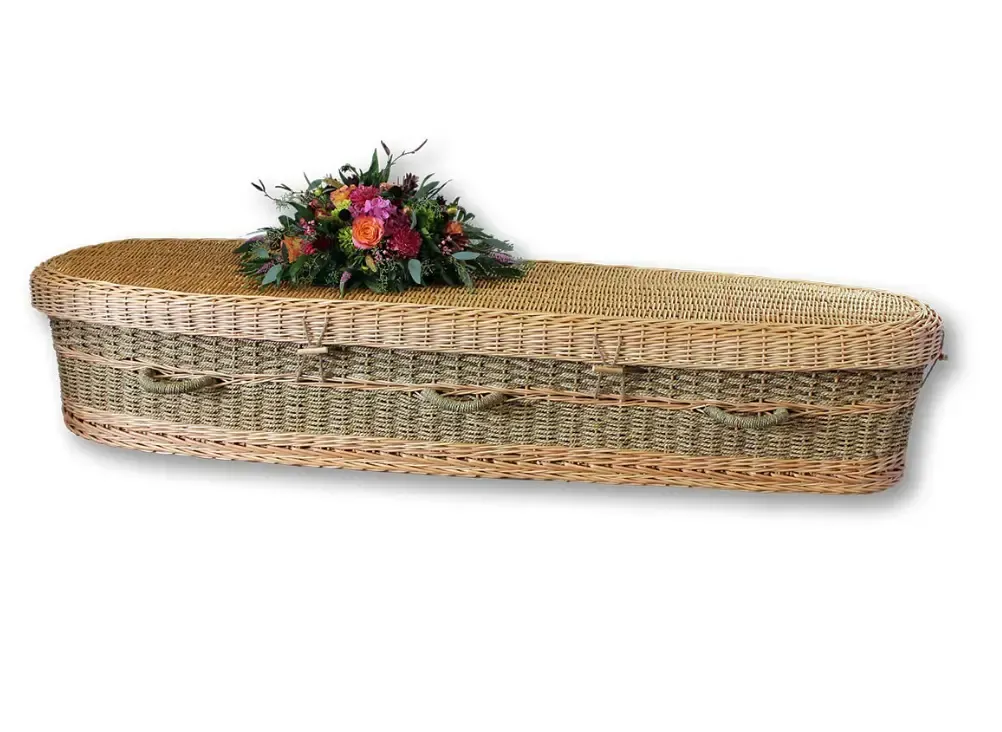
- Biodegradable Caskets: Made from materials like wicker, bamboo, or recycled cardboard.
- Natural Shrouds: Simple fabric wraps that allow for natural decomposition.
- Green Burial Grounds: Designated areas that support natural ecosystems and provide a serene resting place.
These choices not only reduce environmental impact but also create a lasting legacy that honors the deceased's values.
Costs of Green Burials
Understanding the costs associated with green burials is essential for families planning a sustainable funeral.
$4,000 - $8,000
Simple burial without embalming in a natural setting.
Home Funeral
$1,000 - $4,500
Family-led funeral services, often more affordable.
Biodegradable Casket
$400- $1,900
Caskets made from sustainable materials.
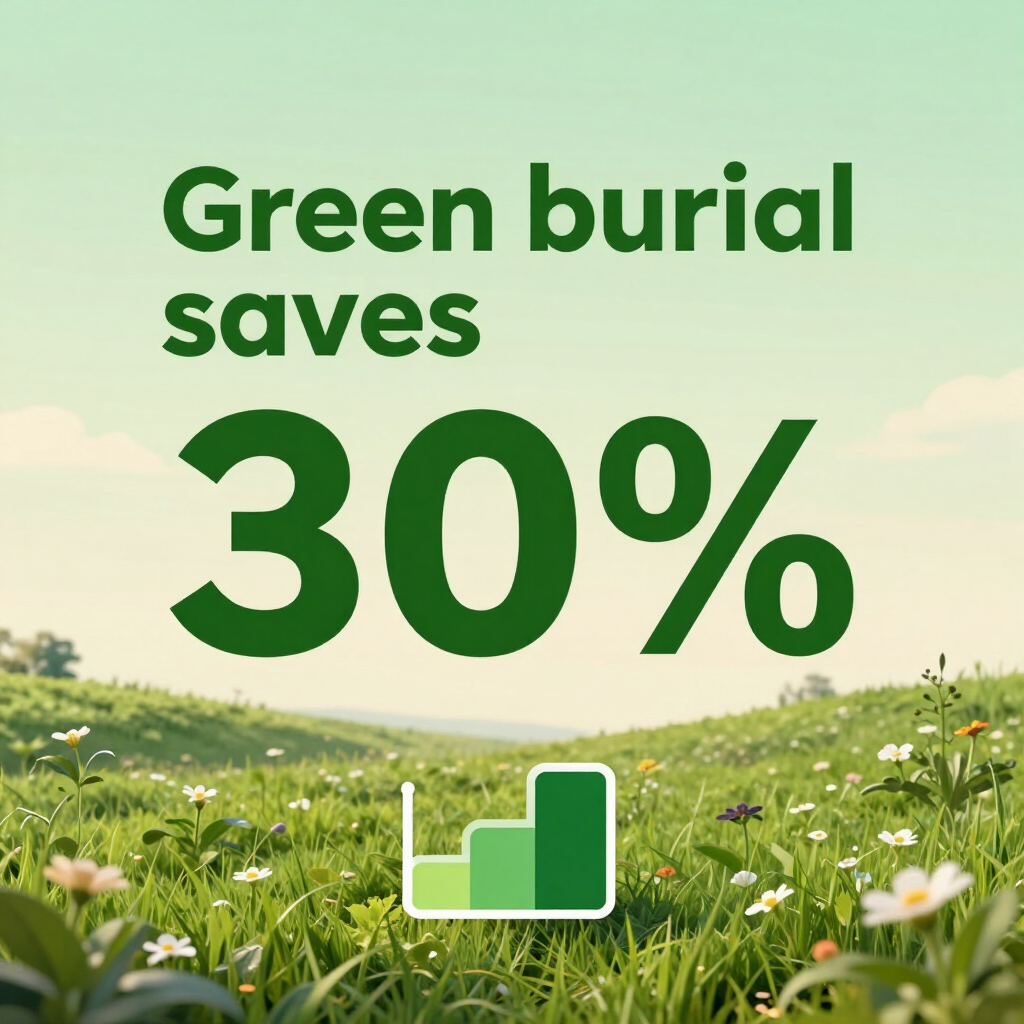
This comparison highlights the affordability and accessibility of green burial options, making them viable for many families.
What Are Green Burial Services and Their Environmental Benefits?
Green burial services focus on environmentally friendly practices that minimize the ecological impact of traditional funerals. These services often involve the use of biodegradable materials and natural burial grounds, which support local ecosystems. The environmental benefits of green burials include:
- Reduced Carbon Footprint: By avoiding embalming and non-biodegradable materials, green burials significantly lower carbon emissions.
- Support for Local Ecosystems: Natural burial grounds often promote biodiversity and protect local flora and fauna.
- Sustainable Practices: Green burials encourage the use of renewable resources and sustainable materials.
These benefits make green burial services an appealing choice for environmentally conscious families.
How Does the Human Composting Process Offer a Sustainable Alternative?
Human composting, also known as natural organic reduction, is an innovative and sustainable alternative to traditional burial and cremation methods. This process involves transforming human remains into nutrient-rich soil through natural decomposition with the help of microbes in a controlled environment. The environmental impact of human composting is significantly lower than that of conventional methods, as it eliminates the need for harmful chemicals and reduces greenhouse gas emissions.
What Is the Legal Status of Human Composting?
As of mid-2024, human composting is legal in several U.S. states including Washington, Colorado, Oregon, Vermont, and California, with more states considering legislation. The legal status of human composting varies by jurisdiction, and families interested in this option should consult local regulations to ensure compliance. Understanding the legal landscape is crucial for families considering this sustainable alternative.
The evolving legal landscape surrounding human remains disposition, including innovative methods like human composting, is a subject of ongoing discussion and legislative development.
Legal Framework for Human Remains Disposition
This Note focuses on the contemporary law of human remains in the United States and does not cover the history of indigenous burial traditions-a topic which deserves more thorough
Better Homes and Scattered Gardens: Why Iowa Should Legalize" Human Composting" as a Method of Final Disposition, 2020
How Can Families Arrange Human Composting Services?
Arranging human composting services involves several steps:
- Research Providers: Identify local service providers that offer human composting.
- Understand the Process: Familiarize yourself with how human composting works and what to expect.
- Make Arrangements: Contact the chosen provider to discuss options and finalize arrangements.
By following these steps, families can ensure a smooth transition to this eco-friendly option.
What Are the Benefits and Process of Water Cremation?
Water cremation, or alkaline hydrolysis, is an environmentally friendly alternative to traditional cremation. This process uses water and an alkaline solution, typically potassium hydroxide or sodium hydroxide, combined with heat and agitation to break down the body, resulting in a smaller environmental footprint. The benefits of water cremation include:
- Lower Emissions: Water cremation produces significantly fewer greenhouse gases compared to traditional cremation.
- Resource Efficiency: This method uses less energy than conventional cremation processes, though it uses a significant amount of water.
- Nutrient-Rich Byproduct: The process results in a sterile liquid that contains nutrients, which can be safely returned to the earth or treated according to local regulations.
These advantages make water cremation an appealing choice for families seeking sustainable end-of-life options.
How Does Water Cremation Reduce Environmental Impact?
Water cremation reduces environmental impact through several mechanisms:
- Energy Efficiency: The process typically requires less energy than traditional flame-based cremation, resulting in lower carbon emissions.
- No Harmful Emissions: Unlike traditional cremation, water cremation does not release harmful mercury or other pollutants into the atmosphere.
- Sustainable Byproducts: The byproducts of water cremation can be safely returned to the environment or treated responsibly.
These factors contribute to the overall sustainability of water cremation as an end-of-life option.
Who Provides Water Cremation Services?
Water cremation services are offered by a growing number of funeral homes and specialized providers, primarily in regions where it has been legalized, such as several U.S. states including California, Colorado, and Oregon. Families interested in this option should look for providers who emphasize eco-friendly practices and have experience with water cremation. Researching local options and comparing services can help families find the right provider for their needs.
Which Eco-Friendly Funeral Products Support Sustainable Memorials?
Eco-friendly funeral products play a crucial role in sustainable memorials, allowing families to honor their loved ones while minimizing environmental impact. These products include:
- Biodegradable Urns: Designed to break down naturally, these urns can be made from materials like bamboo, recycled paper, or salt.
- Natural Caskets: Constructed from sustainable materials, these caskets support eco-friendly burial practices.
- Living Memorials: Options such as planting a tree or creating a garden in memory of the deceased provide lasting tributes that benefit the environment.
These products not only support sustainable practices but also create meaningful memorials that reflect the values of the deceased.
What Are Biodegradable Urns and Caskets?
Biodegradable urns and caskets are designed to decompose naturally, allowing the body to return to the earth without harming the environment. These products are typically made from sustainable materials, such as:
- Bamboo: A fast-growing, renewable resource that is both strong and lightweight.
- Wicker: Made from natural fibers, wicker caskets are both beautiful and eco-friendly.
- Recycled Paper: Some urns are crafted from recycled materials, reducing waste and promoting sustainability.
Choosing biodegradable options supports eco-friendly practices and honors the deceased's memory in a meaningful way.
How Do Eco-Friendly Memorials Honor Loved Ones?
Eco-friendly memorials provide a unique way to honor loved ones while promoting sustainability. These memorials can take various forms, including:
- Planting Trees: Creating a living memorial that contributes to the environment.
- Gardens: Establishing a garden in memory of the deceased can provide a peaceful space for reflection.
- Personalized Tributes: Families can create memorials that reflect the deceased's passions and values, fostering a lasting connection to their memory.
By choosing eco-friendly memorials, families can create meaningful tributes that align with their values and promote environmental stewardship.
How Can You Plan a Sustainable Funeral: Legal and Practical Considerations?
Planning a sustainable funeral involves understanding both legal and practical considerations. Families should be aware of local regulations regarding green burials, human composting, and water cremation. Additionally, choosing a certified provider who specializes in eco-friendly practices is essential for ensuring compliance with legal requirements.
What Are the Key Steps in Eco-Friendly Funeral Planning?
To plan an eco-friendly funeral, families should follow these key steps:
- Assess Urgency: Determine the timeline for planning and any immediate needs.
- Research Options: Explore local providers and eco-friendly practices.
- Document Wishes: Clearly outline the deceased's preferences and values to guide planning.
By taking these steps, families can ensure a smooth and respectful planning process that honors their loved one's memory.
What Legal Regulations and Costs Should You Know?
Understanding legal regulations and costs associated with eco-friendly funerals is crucial for families. Key considerations include:
- Local Laws: Familiarize yourself with regulations regarding green burials, human composting, and water cremation, as rules vary by region.
- Provider Compliance: Ensure that chosen providers adhere to legal requirements and ethical practices.
- Cost Awareness: Be prepared for potential costs associated with eco-friendly options, which can vary widely depending on location and services chosen.
By being informed about these factors, families can make educated decisions that align with their values and budget.
Complete Guide to Biodegradable Funeral Products: Trusted Eco-Friendly Options and Practical Choices