
Earth Day Action: Pre-planning to Return to the Earth Naturally
Make it Earth Day Every Day...Forever.
Earth Day Pre-Planning: A Meaningful Way to Return to the Earth Naturally
Earth Day usually inspires people to ask a simple question: what can I do today that reflects the kind of world I want to leave behind? Plant something. Use less. Protect more. Think longer-term.
If your values include living lightly on the planet, there is one more meaningful action you can take right now: make a plan for how you want your body to return to the Earth. At Interra Green Burial, that question is not strange or gloomy. It is practical, loving, and deeply aligned with the way many people already try to live.
Interra Green Burial exists to make low-impact end-of-life choices accessible in Minnesota and western Wisconsin, including green burial, water cremation, and natural organic reduction, also called human composting. Our guiding idea is simple and memorable: “Return to the Earth. Naturally.” This makes Earth Day a fitting moment to talk about preplanning—not as paperwork for someday, but as an action you can take today. Source Source
Why Earth Day is actually the perfect day to pre-plan
If you know you want an ecological funeral, the most important step is not waiting until later to mention it.
Interra’s own pre-planning guidance is very direct: if your wishes for an eco-friendly funeral are never made clear, there may be no one ready to advocate for them when the time comes. Green funeral planning is especially important because green burial, aquamation, and body composting are specialized forms of care, and not every funeral provider is equipped to arrange them well.
That's what makes preplanning such a strong Earth Day action. It turns a value into a plan. It gives your family clarity. It reduces the risk that your final disposition will be chosen by default rather than by intention. And it creates space to think not only about what happens to your body, but how your life, your memory, and your environmental values can remain connected.
Step 1: Research your ecological disposition options in Minnesota
Preplanning starts with understanding your choices. Interra helps families compare three core paths: natural burial, alkaline hydrolysis / water cremation, and natural organic reduction / human composting. On our service pages, each option is explained in practical language, including how it works, what the environmental considerations are, and what memorialization choices come afterward. Source
For many people, that research step is where the whole process becomes less intimidating. “Green funeral” stops feeling abstract and starts becoming personal. You are no longer choosing from generic end-of-life categories. You are deciding how you want to rejoin natural systems: directly through the earth, through water-based reduction, or through a composting process that creates nutrient-rich soil.
Step 2: Choose the form of disposition that feels most like you
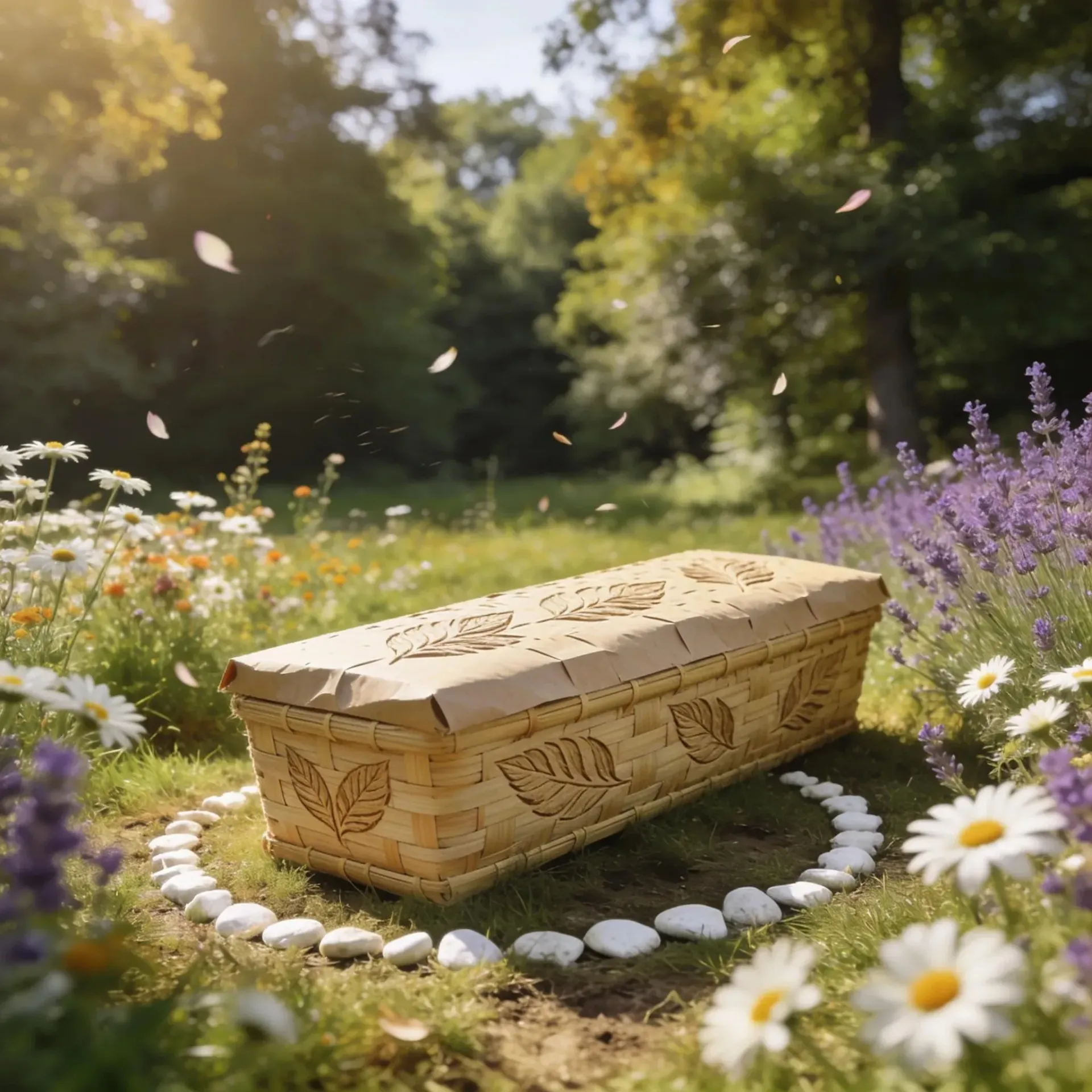
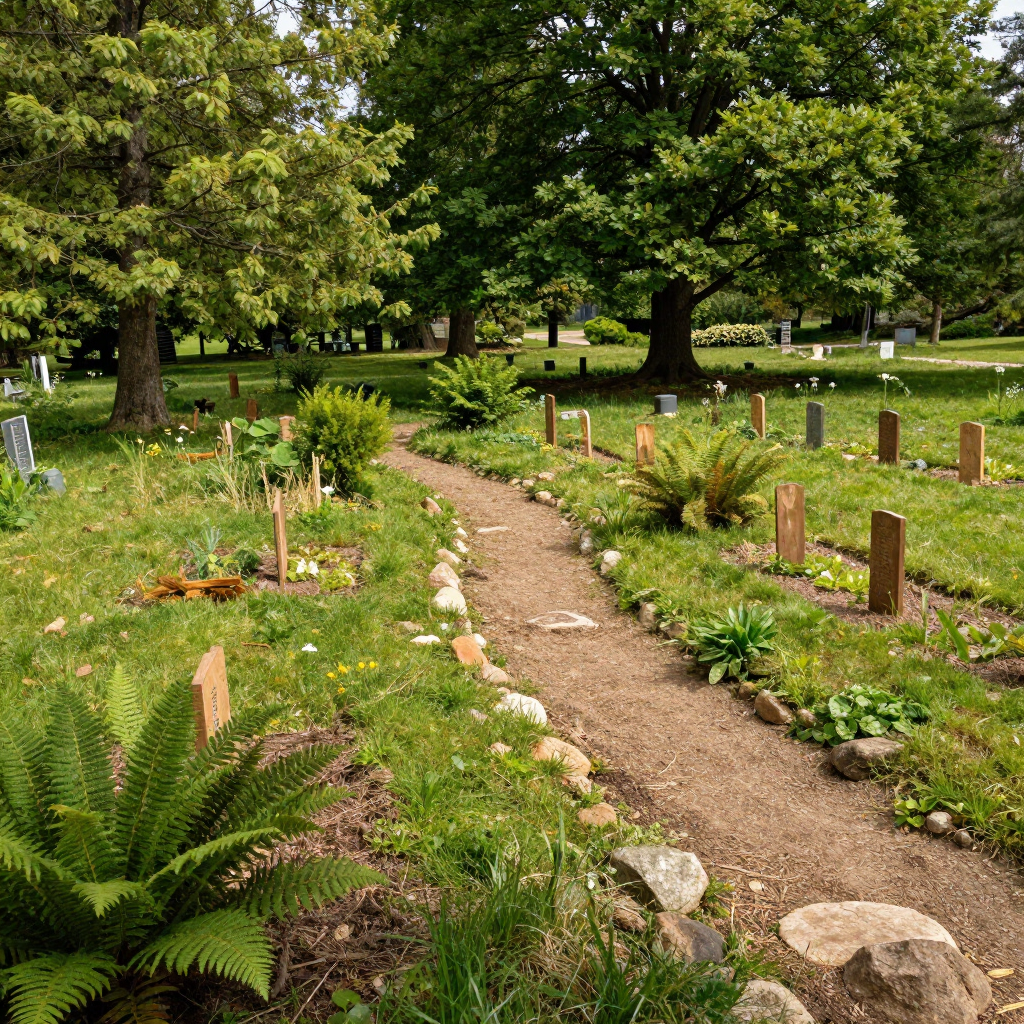
Some people are drawn to green burial because of its simplicity. It is burial without embalming, using a biodegradable casket, carrier and shroud, and placing the body directly in the earth. Depending on the cemetery, it may mean a conservation cemetery, a natural burial area like at Resurrection Cemetery, or a hybrid cemetery like Roselawn Cemetery or Mound Cemetery. Some green burial grounds preserve greenspace, use native plantings, and may rely on records or GPS instead of conventional monument styles.
Others may feel most comfortable with water cremation, also called aquamation or alkaline hydrolysis. This process uses heated water and a 5% alkaline solution to accelerate natural tissue reduction, returning remains almost exactly like cremated remains to the family while using far less energy than flame-based cremation. For people who want a cremation outcome but are looking for a lower-impact option, this is often the path they choose.
And for those whose values are rooted in regeneration, natural organic reduction can feel especially powerful. Interra describes human composting as a carefully managed process that transforms the body into nutrient-rich material that can be returned to the earth, used for planting, or help restore landscapes. In Minnesota, NOR became legal in practice on July 1, 2025, and until a provider is available locally Interra will continue helping residents access that choice with our partners in Washington state.
Step 3: Decide how you want to be remembered, not just how you want to be cared for
One of the best parts of Interra’s planning approach is that it moves beyond disposition and into memorialization. That matters because making the environmental choice is only part of the story. The other part is how your people will gather, where memory will live, and what place or symbol will hold meaning after the service is over. We explicitly encourage planning for permanent memorialization rather than leaving families to figure it out later.
If you choose water cremation, remains can be scattered on land or water, solidified into stones, added to an ossuary, turned into a gemstone, buried on private land, or placed at a conservation-focused memorial setting such as Better Place Forests in the St. Croix Valley.
If you choose human composting, the memorial conversation becomes even more connected to the living world. The resulting soil can be returned to the earth, used to grow plants, restore landscapes, or be donated for woodland restoration. For many people, that creates a different kind of emotional resonance: not simply a resting place, but an ongoing contribution to life.
Step 4: Write your wishes down and share them clearly
Have you written the plan down? Have you presented a copy to your next of kin? Do your survivors know which green disposition you want, whether ceremony matters to you, and what should happen afterward? Those are exactly the right questions, because a plan that lives only in your head is not yet doing its job. Source
This is where Earth Day meets everyday responsibility. A written plan is one of the most concrete ways to make sure your environmental values are carried through. It removes guesswork. It gives your family direction. And it makes a specialized choice easier to carry out in the narrow time window that often follows a death. Decisions for a green service will likely need to be made quickly, which is one more reason written instructions matter.
Step 5: Meet with Interra Green Burial and put the plan in motion
We invite people to start with a phone call, an in-person appointment, or our online planning tools. Our promise is not pressure, but guidance: licensed professionals who will listen openly, explain the options, and help you choose the services that fit your values and your vision. Interra also offers online preplanning for those who want to begin at their own pace and follow up with questions as they go.
That guidance matters because ecological funeral planning is rarely one-size-fits-all. The right choice depends on where you live, what memorialization you want, whether a cemetery plot already exists, whether ceremony or religion matters to your family, and how you want your environmental legacy to be expressed. Our planning pages are especially good at walking people through those decisions in plain language.
Step 6: Fund the plan so your final wishes can be fulfilled
Preplanning is about more than preferences. It is also about preparedness. Once a plan is in place, funding it is the surest way to know the resources will be there to carry out your ecological choices. In Minnesota those funds are protected through a specific kind of insurance policy payable to “any funeral home as interest may appear,” which means the money remains portable if you move or choose a different provider later.
That practical layer is easy to overlook, but it may be one of the kindest parts of the whole process. It helps align intention, logistics, and funding so that your plan is not only thoughtful, but actionable. Earth Day is about stewardship, and this is another form of stewardship: caring in advance for the people who will someday be carrying out your wishes.
Why Interra is uniquely positioned for this conversation
Interra Green Burial by Mueller Memorial is not trying to squeeze one green option into an otherwise conventional menu. This signature service exists around ecological funeral care.
Interra offers green burial, water cremation, and natural organic reduction, and was a pioneering funeral service in Minnesota to be certified by the national Green Burial Council.
We have also received the National Funeral Directors Association Green Funeral Practices Award and Gold-level recognition from Sustainable Stillwater. For families researching green burial in Minnesota, water cremation in Minnesota, or human composting in Minnesota, those credentials matter because they signal both specialization and experience. This isn't greenwashing, we're getting certifications to back up our services.
The Earth Day invitation
So yes, funeral pre-planning can be an Earth Day activity. Not the loudest one. Not the trendiest one. But possibly one of the most intentional. If your life has been shaped by care for the natural world, then it makes sense to decide now how that care will be reflected at the end of life too.
If you have ever thought, even quietly, “When the time comes, I want to return to the earth naturally,” this is your sign to do more than think it.
Research the options.
Choose the path that fits.
Decide how you want to be remembered.
Write it down.
Talk to the people who would care for you.
And if you want experienced guidance, call Interra Green Burial or start the process online.
Earth Day is a reminder that our choices matter. Make this choice today.
What is green funeral pre-planning?
Green funeral pre-planning is the process of deciding in advance how you want your body to be cared for, what kind of memorialization you want, and how those wishes should be carried out using lower-impact options such as green burial, water cremation, or natural organic reduction. Interra offers all three.
Is human composting legal in Minnesota?
Yes. Human composting, or natural organic reduction, became legal in practice in Minnesota on July 1, 2025. There isn't yet a local provider, but Interra provides terramation for Minnesotans with their partner in Washinton state.
What can I do with cremation ashes?
Cremeated or aquamated remains can be buried in a cemetery or on private property, placed in a memorial forest, scattered, placed in a columbarium niche, turned into solidified stones, transformed into a gemstone, or be combined with specific materials to be planted with a tree. (Ashes are not fertile material.)
Why is pre-planning important for a green funeral?
Ecological funeral choices are specialized, time-sensitive, and easier for families to carry out when the plan is already written down and shared. In the absence of specific instructions, more traditional funeral options will likely be chosen.
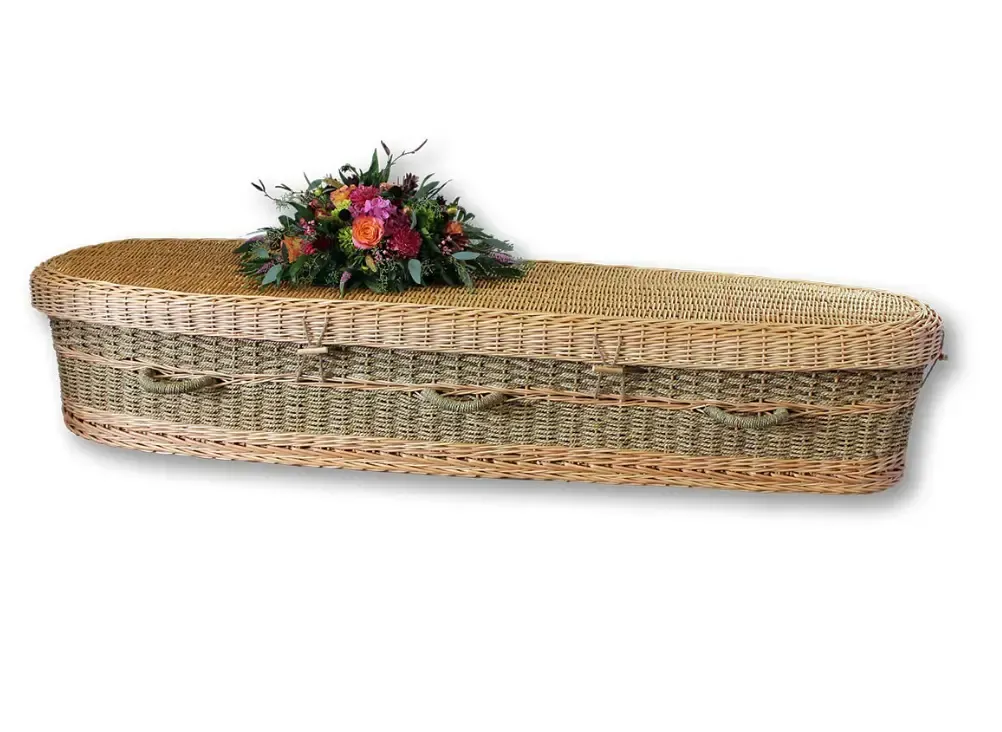
Complete Guide to Biodegradable Funeral Products: Trusted Eco-Friendly Options and Practical Choices