
Share Brian Mahoney, MD's obituary with others.
Invite friends and family to read the obituary and add memories.
Stay updated
We'll notify you when service details or new memories are added.
You're now following this obituary
We'll email you when there are updates.
Select your format and elements to print

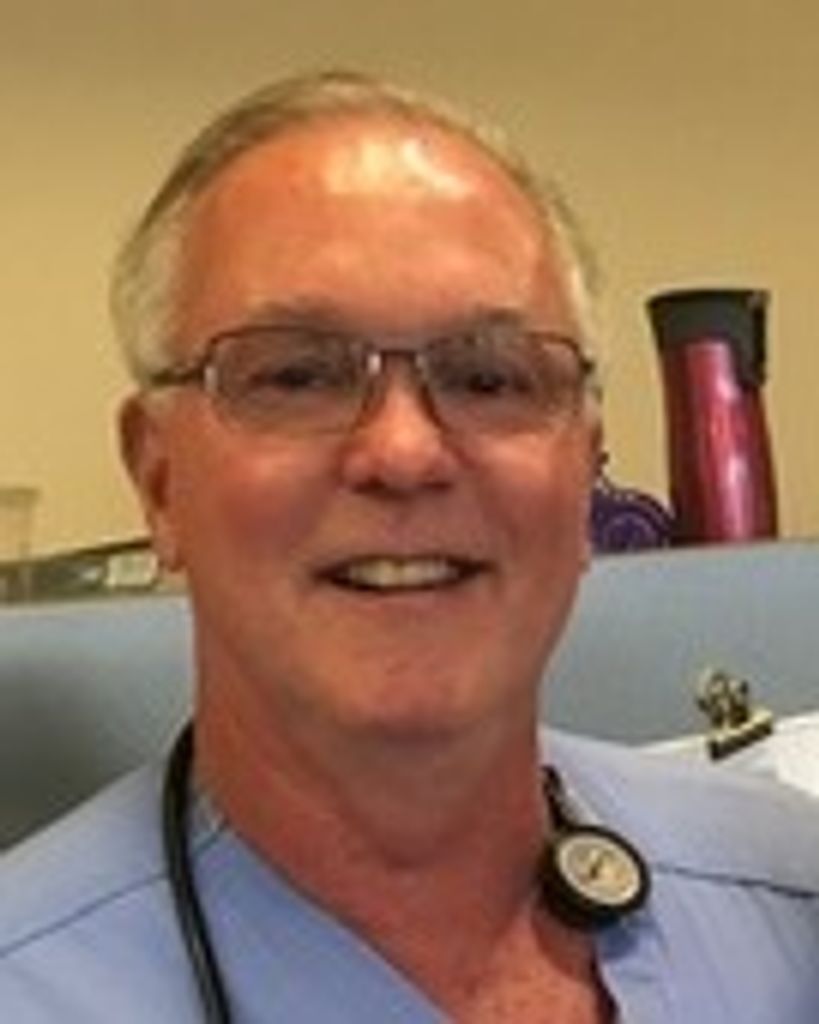


Brian Mahoney, MD
Jan 11, 1951 — Nov 7, 2025
Brian died 11/7/2025 in hospice care surrounded by family. Brian will be terribly missed by his immediate family, Nancy Collins MD, Katie Mahoney MD, Meredith Mahoney PsyD, and Dan Mahoney, computer programmer and team lead, son-in-laws Shane Roach and Armintas Sinkevicius, and grandchildren Danide, Roman, Ainsley, McKenna, and Cullan. He was the protector, teacher, advisor, and fixer for all of us.
Brian was born 1/11/1951 in Englewood, NJ, proceeded in death by his parents Frank and May Mahoney and an older brother Frank. He attended undergrad at Wesleyan University in CT and graduated Magna Cum Laud in 1973_. After college, he attended medical school at the University of Vermont Medical College in Burlington, VT and then started his residency in Emergency Medicine at Hennepin County Hospital in Minneapolis, MN in 1973. At the time, Emergency Medicine was a new field with a limited number of residencies in big metropolitan cities. He chose Hennepin’s residency program because of its caliber of training and because the director of the program organized a men’s hockey team; Brian had always wanted to play hockey. He stayed at Hennepin County Hospital (which later became Hennepin County Medical Center, HCMC) for his entire 43-year career until his retirement in June 2016. His passion was Emergency Medical Services (EMS) spending 20 of those years as its director. One of his proudest accomplishments was his work with Ed Lord, publishing their results in a 1986 article “Operations Plan for the National Disaster Medical System Minneapolis-St. Paul.” The development of this system was demonstrated in the metro wide emergency response to the 35 W bridge collapse in 2007.
While Brian was the clinical director of EMS, Marty VanBuren was the business manager of EMS. They worked together for decades, became great friends, and were quite the dynamic duo advocating for, and improving first responder services, systems, and patient care. Marty wrote a terrific summary of Brian’s career:
“November 11, 2025
Brian was a sincere and thoughtful friend. He loved his family; they are truly remarkable people. Brian was one of the last Night Riders, resident physicians who rode the ambulances, saw patients who were in nursing homes, jails, home-bound, and care centers needing a physician’s assessment or follow-up care. He also responded to emergencies and embraced the uncertainty, excitement, and challenges of the streets.
As the EMS Medical Director, he was humble, not ego-driven, and focused on things that mattered. Brian was an important part of developing a modern, high-performance emergency medical system. He was a pioneer following Dr. Ernie Ruiz, Dr. G. Patrick Lilja, and Dr. Robert Long. He maintained open communications with staff, law enforcement, fire, and government officials. He loved emergency medicine and all of those who dedicated their lives to helping the critically ill and injured, including emergency department nurses and technical staff, paramedics, emergency medical technicians, dispatchers, EMS staff, law enforcement, and firefighters. Brian also admired and embraced those who served in the military.
Brian was involved in NIH research, prehospital research, the advancement of resuscitation, and the technologies that improved patient outcomes. He prepared EMS for the next pandemic. He was an advocate of ambulance safety and supported design changes that protected patients and paramedics during transit. He signed the first agreements with the National Disaster Management System (NDMS) in Minnesota, introduced community paramedicine, and promoted the value of education. He frequently lectured in EMS Education and taught in the Paramedic programs, evaluating clinical skills even after working long ED shifts. He focused on excellence and embraced the medical competency of our staff. He also authorized the use of Medical Priority Dispatch, reviewed outcome data, and approved decision algorithms to ensure that high acuity and at-risk patients did not fall through the cracks.
Brian understood the value of EMS to Hennepin County Medical Center and supported administrative initiatives originating from within EMS. We welcomed input from H.C.A.P.E. and individuals vested in prehospital medicine, understanding that we were working together to build an exceptional and sustainable system. We were building a career path, not just a steppingstone.
It was my privilege to call Dr. Brian Mahoney my dyad partner; moreover, he was my friend. We led EMS, with the support of a talented team, addressing the needs of our patients, community, staff, and public safety partners. We faced many challenges during our tenure and ascribed to the values of truth, honesty, integrity, and doing the right thing. He fought for fairness, knowledge, and understanding. Brian, may you rest in peace knowing that you made a positive difference in the lives of many; you will remain in our hearts forever.”
In addition to the work Marty mentioned above, Brian also wrote, co-wrote or contributed to 68 journal research publications, one textbook for EMS providers on hazardous materials, 22 chapters in textbooks, 8 international addresses, 12 national addresses, and 64 state addresses. For many years, he also collected suitcases full of medical supplies, medication samples, medical textbooks, and medical equipment to bring with him to St. Jude Hospital in Vieux Fort, St. Lucia, where he volunteered for 3 weeks yearly in the ER. One wonders how he had time to coach his 3 kids’ traveling basketball teams; he traded ER shifts and sacrificed sleep and his body so he could do it. It is impossible to count or comprehend the vast number of lives he touched, improved, or saved around the world. He truly left this planet better than the way he found it.
This is all accomplished against the backdrop of a variant of Charcot Marie Tooth 2B disease which he was born with. He had pain from pressure palsy all of his life and increasing pain and disability from the deterioration of distal sensory nerves which eventually severely weakened his legs. At the time of death, he had become non-ambulatory and continued with severe pain. This disease gradually took away his ability to do the things he enjoyed: sailing, hiking, dancing, traveling, and playing with the grandkids. The fact the almost nobody understood the struggle he was having with the pain of this disease is a testament to his work ethic, his commitment to taking care of others before himself, the fact that he didn’t want to whine, and he strongly believed “you have to play the cards you are dealt”. Brian, we will miss you terribly, but are glad you are finally pain free.
Concurrent with his beliefs about recycling and caring for future generations, his body will undergo Terramation at Return Home in Auburn, Washington with a celebration of life early next summer at his MN home.
His memory can be honored by donations at Unlimited Potential (PO Box 8814, Phoenix, AZ 85066), Wesleyan University (Calhoun ’62 MEN’S Crew Endowment Fund or WOMEN’S Crew Endowment Fund) or University of Vermont Larner Fund, which supports medical students.
Guestbook
This site is protected by reCAPTCHA and the
Google Privacy Policy and Terms of Service apply.
Service map data © OpenStreetMap contributors